

Tech accessories tips can save users money, extend device lifespans, and improve daily productivity. From chargers and cables to cases and stands, the right accessories make a real difference in how people interact with their devices. Yet many buyers rush into purchases without considering compatibility, quality, or long-term value.
This guide covers the essential strategies for selecting, maintaining, and organizing tech accessories. Whether someone is upgrading their home office setup or protecting a new smartphone, these practical tips will help them make smarter decisions and get more from every purchase.
Table of Contents
ToggleKey Takeaways
- Always verify device compatibility before purchasing tech accessories to avoid wasting money on unusable products.
- Mid-range tech accessories typically offer the best balance of quality and value—avoid both the cheapest and most expensive options.
- Invest more in daily-use accessories since cost-per-use calculations often favor higher-quality items over time.
- Establish regular cleaning and maintenance routines to extend accessory lifespans and maintain optimal performance.
- Create a designated storage system with organizers, labels, and pouches to prevent cable damage and save time finding items.
- Check for safety certifications like MFi, USB-IF, and UL listing on power-related accessories to ensure they meet safety standards.
Selecting the Right Tech Accessories for Your Needs
Choosing tech accessories starts with understanding actual use cases. A gamer needs different peripherals than a remote worker. A photographer requires specific storage solutions that a casual user doesn’t. Before buying anything, people should ask themselves: What problem does this accessory solve?
Compatibility matters most. An expensive wireless charger won’t help if it doesn’t support the user’s phone model. Cables with the wrong connector type become expensive paperweights. Always check device specifications before purchasing any accessory.
Here are key factors to consider:
- Device compatibility: Verify that the accessory works with current and planned future devices
- Use frequency: Daily-use items deserve higher investment than occasional accessories
- Portability needs: Travelers benefit from compact, lightweight options
- Power requirements: Ensure chargers and adapters meet device wattage needs
Reading user reviews provides real-world insights that product descriptions often miss. Tech accessories tips from actual owners reveal durability issues, compatibility problems, and hidden features. Look for reviews that mention long-term use rather than just first impressions.
Brand reputation also plays a role. Established manufacturers typically offer better customer support and warranty coverage. But, lesser-known brands sometimes deliver excellent value. The key is researching before committing.
Prioritizing Quality Over Price
Cheap tech accessories often cost more in the long run. A $5 charging cable that frays after two months means buying replacements repeatedly. A flimsy laptop stand that breaks under pressure could damage expensive equipment. Quality accessories protect devices and provide reliable performance.
This doesn’t mean buyers should always choose the most expensive option. The sweet spot usually sits in the mid-range. These products offer solid build quality without premium brand markups. Tech accessories tips from industry experts consistently recommend avoiding both the cheapest and priciest extremes.
Materials indicate durability. Braided cables outlast rubber-coated ones. Aluminum stands hold up better than plastic. Tempered glass screen protectors provide superior protection compared to basic films. These details appear in product specifications and reviews.
Warranty coverage reveals manufacturer confidence. Companies that stand behind their products typically offer at least one-year warranties. Some premium accessory brands provide lifetime guarantees. This protection adds value beyond the initial purchase price.
Consider cost-per-use calculations. A $40 keyboard used daily for three years costs roughly $0.04 per day. A $15 keyboard that fails after six months costs $0.08 per day, plus the inconvenience of replacement. Quality accessories often deliver better value even though higher upfront costs.
Certifications matter for safety-critical accessories. Look for MFi certification on Apple accessories, USB-IF certification on cables, and UL listing on power adapters. These stamps verify that products meet safety and performance standards.
Proper Care and Maintenance Practices
Even the best tech accessories require regular maintenance. Dust, debris, and general wear degrade performance over time. Simple care routines extend accessory lifespans significantly.
Cleaning schedules prevent buildup. Keyboards collect crumbs, hair, and dust between keys. A weekly shake-out and monthly deep clean keeps them functioning properly. Compressed air removes particles from tight spaces. Isopropyl alcohol (70% or higher) safely cleans most surfaces.
Cables need gentle handling. Sharp bends stress internal wires and cause failures. Users should avoid wrapping cables tightly around devices or pulling them by the cord instead of the connector. Velcro ties or cable organizers maintain proper coiling without damage.
Tech accessories tips for charging equipment include:
- Unplug chargers when not in use to prevent unnecessary heat exposure
- Keep charging ports clear of lint and debris
- Avoid charging devices on soft surfaces that trap heat
- Replace frayed or damaged cables immediately
Screen protectors and cases require periodic inspection. Cracked protectors should be replaced promptly, they can’t absorb impact effectively once damaged. Cases with worn edges or loose fits no longer provide adequate protection.
Firmware updates apply to smart accessories like wireless earbuds, mice, and keyboards. Manufacturers release updates that fix bugs and improve performance. Checking for updates every few months ensures optimal functionality.
Environmental factors affect accessory longevity. Extreme temperatures damage batteries and plastics. Humidity causes corrosion in electronic components. Storing accessories in climate-controlled spaces protects them from premature degradation.
Organizing and Storing Your Accessories
Disorganized accessories waste time and invite damage. Tangled cables knot and fray. Loose items get lost or crushed. A simple organization system solves these problems.
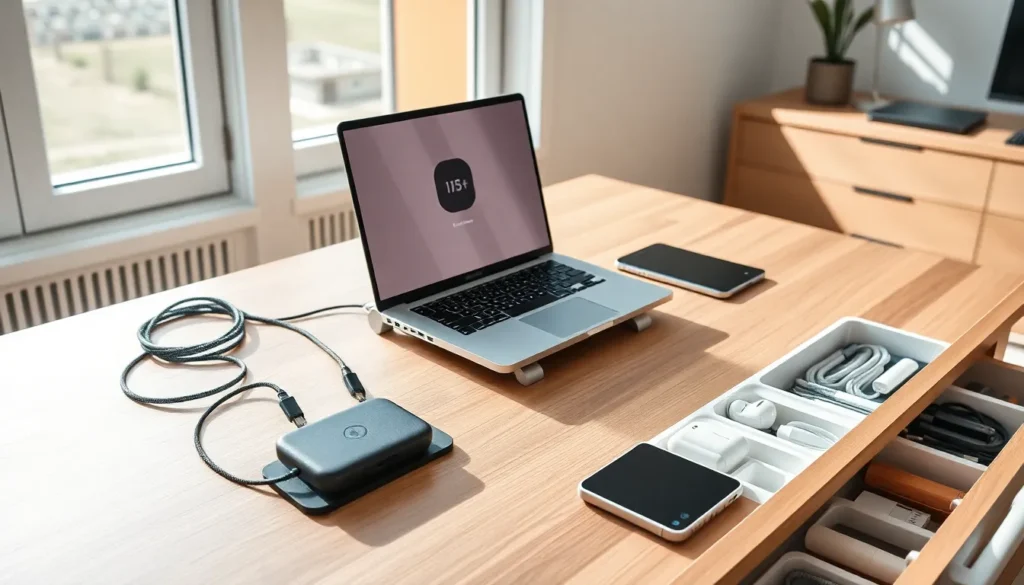
Designated storage prevents chaos. Drawer organizers, pouches, and bins keep accessories separated and accessible. Each item should have a home. This approach makes finding specific accessories quick and prevents the frustrating search through tangled piles.
Labeling helps households and offices with multiple similar accessories. Color-coded cables or labeled bags eliminate confusion about which charger belongs to which device. Tech accessories tips for families often emphasize this simple step.
Travel requires special organization. Hard-shell cases protect fragile items during transit. Packing cubes keep cables and adapters contained within luggage. A dedicated tech pouch ensures travelers always know where their accessories are.
Consider these storage solutions:
- Cable organizers: Clips, ties, and boxes that prevent tangling
- Charging stations: Centralized hubs that reduce clutter and keep devices together
- Pegboards or wall mounts: Vertical storage that saves desk space
- Drawer dividers: Compartments that keep small items separated
Regular purging removes outdated or broken accessories. Old chargers for devices no longer owned just take up space. E-waste recycling programs accept most tech accessories responsibly.
Vertical storage maximizes space efficiency. Headphone stands, tablet holders, and wall-mounted cable management free up desk real estate. These solutions also protect accessories from accidental spills and impacts.


