
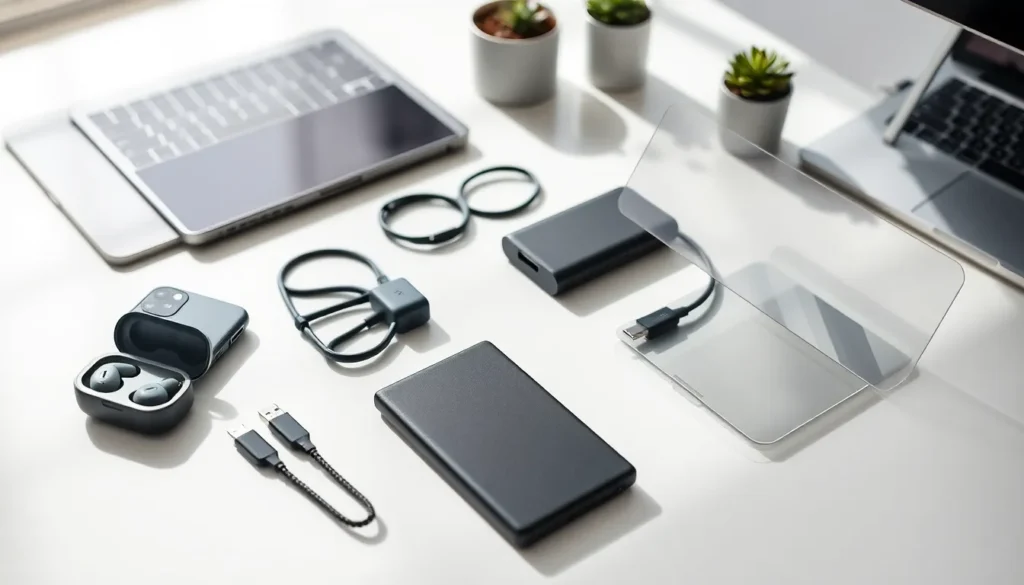

Tech accessories are products that extend, protect, or improve the functionality of electronic devices. From phone cases to laptop stands, these add-ons have become essential for anyone who owns a smartphone, tablet, or computer. The global tech accessories market continues to grow as consumers seek better ways to use and safeguard their gadgets.
This guide explains what tech accessories are, explores the most common types, and helps readers choose the right products for their needs. Whether someone wants to boost productivity or simply keep their devices safe, understanding tech accessories is the first step toward smarter purchases.
Table of Contents
ToggleKey Takeaways
- Tech accessories are supplementary products that protect, enhance, or extend the functionality of electronic devices like smartphones, tablets, and computers.
- Common tech accessories include phone cases, screen protectors, power banks, wireless earbuds, external keyboards, and USB hubs.
- Investing in protective accessories like cases and screen protectors can save hundreds of dollars in potential repair costs.
- Quality tech accessories improve productivity and comfort through ergonomic designs, expanded connectivity, and extended battery life.
- Always verify compatibility, read user reviews, and buy from trusted sources to avoid wasting money on counterfeit or incompatible products.
- Start with essential protection accessories first, then add productivity and convenience items based on your daily usage patterns.
Definition of Tech Accessories
Tech accessories are supplementary products designed to work alongside primary electronic devices. They don’t function independently but instead enhance, protect, or expand what a device can do. A smartphone, for example, works on its own, but a phone case protects it, a charger powers it, and wireless earbuds improve how users listen to audio.
These accessories fall into several categories based on their purpose:
- Protection: Cases, screen protectors, and sleeves shield devices from damage.
- Power: Chargers, power banks, and charging cables keep devices running.
- Connectivity: Cables, adapters, and hubs connect devices to other hardware.
- Audio: Headphones, earbuds, and speakers improve sound output.
- Input: Keyboards, mice, and styluses offer alternative ways to interact with devices.
Tech accessories range from inexpensive items like charging cables to premium products like mechanical keyboards. The market includes options for nearly every electronic device, from smartphones and tablets to gaming consoles and smart home systems.
What separates tech accessories from standalone gadgets is dependency. A power bank needs a device to charge. A laptop stand needs a laptop to hold. This relationship defines the category and explains why tech accessories grow alongside the devices they support.
Common Types of Tech Accessories
Tech accessories cover a wide range of products. The two largest categories serve mobile devices and computers, though accessories exist for gaming systems, smart home devices, and wearables too.
Mobile Device Accessories
Smartphones and tablets dominate modern life, so mobile tech accessories represent the biggest market segment. Common products include:
- Phone cases and covers: These protect devices from drops, scratches, and everyday wear. Options range from slim silicone cases to heavy-duty armor designs.
- Screen protectors: Tempered glass or plastic films prevent screen scratches and cracks.
- Portable chargers and power banks: These provide backup power when outlets aren’t available.
- Wireless earbuds and headphones: Bluetooth audio devices have become essential for calls, music, and podcasts.
- Car mounts and holders: These keep phones visible and accessible during driving.
- Charging cables and adapters: USB-C, Lightning, and wireless charging pads keep devices powered.
Mobile tech accessories solve real problems. A cracked screen costs hundreds to repair. A dead battery during travel causes frustration. The right accessories prevent these issues.
Computer and Laptop Accessories
Desktop and laptop users rely on tech accessories for comfort, productivity, and connectivity. Popular options include:
- External keyboards and mice: These offer better ergonomics than built-in laptop inputs.
- USB hubs and docking stations: They expand limited port options on modern thin laptops.
- Laptop stands and risers: These improve posture by raising screens to eye level.
- External monitors: Second screens boost productivity for professionals and gamers.
- Webcams and microphones: Video calls and content creation require quality audio-visual equipment.
- Laptop bags and sleeves: Protection during transport prevents costly damage.
Computer tech accessories address the limitations of modern hardware. Laptops sacrifice ports for thinness. Keyboards sacrifice comfort for portability. Accessories fill these gaps.
Benefits of Using Tech Accessories
Tech accessories deliver practical advantages that justify their cost. Here’s why they matter:
Device Protection
Repairs are expensive. A cracked iPhone screen can cost over $300 to fix. A $30 case and $15 screen protector prevent that expense. Tech accessories pay for themselves by reducing repair bills and extending device lifespans.
Improved Productivity
The right accessories help people work faster and more comfortably. An external monitor doubles available screen space. A mechanical keyboard reduces typing fatigue. A laptop stand prevents neck strain during long work sessions. These tools make a measurable difference in daily output.
Better User Experience
Quality tech accessories improve how devices feel to use. Wireless earbuds eliminate tangled cords. Fast chargers reduce waiting time. Ergonomic mice prevent wrist pain. Small upgrades add up to significantly better daily experiences.
Extended Functionality
Accessories unlock capabilities devices lack on their own. A USB hub gives a MacBook Air the ports it doesn’t have. A Bluetooth adapter adds wireless audio to older speakers. A power bank provides electricity where outlets don’t exist. Tech accessories expand what’s possible.
Cost Savings Over Time
Buying protective accessories costs less than replacing damaged devices. Investing in quality chargers prevents battery degradation from cheap alternatives. Tech accessories represent smart spending when viewed long-term.
How to Choose the Right Tech Accessories
Selecting tech accessories requires matching products to specific needs. Here’s a practical approach:
Check Compatibility First
Not every accessory works with every device. Verify that cables match port types, cases fit exact phone models, and chargers support required wattages. Incompatible tech accessories waste money and cause frustration.
Prioritize Quality Over Price
Cheap accessories often fail quickly or perform poorly. A $5 charging cable might fray in weeks. A $15 cable from a reputable brand lasts years. Spending slightly more on quality tech accessories saves money over time.
Read Reviews and Ratings
Other buyers reveal problems manufacturers won’t mention. Check reviews for durability issues, compatibility problems, and performance concerns before purchasing tech accessories. Look for patterns across multiple reviews.
Consider Daily Use Patterns
Heavy travelers need durable cases and high-capacity power banks. Office workers benefit from ergonomic keyboards and monitor stands. Casual users might need only basic protection. Match tech accessories to actual usage.
Buy From Trusted Sources
Counterfeit accessories flood online marketplaces. Fake chargers can damage devices or cause fires. Purchase tech accessories from authorized retailers or directly from manufacturers when possible.
Start With Essentials
New device owners should prioritize protection first. A case and screen protector cost little but prevent expensive damage. Add productivity and convenience accessories later based on experience with the device.


